The liver is one of the hardest-working organs in the human body – silently filtering toxins, producing bile, regulating metabolism, and storing energy, all at once. Yet it is also one of the most vulnerable. Liver disease is now the tenth leading cause of death in India, and with the rapid rise of obesity, diabetes, and lifestyle-related conditions, that number is only expected to climb.
What makes liver disease particularly dangerous is how quietly it progresses. By the time symptoms appear, significant damage has often already occurred. Conventional treatments help manage the condition – but for many patients, they fall short of promoting genuine repair and regeneration.
This is where Hyperbaric Oxygen Therapy (HBOT) is drawing serious medical attention. By delivering 100% pure oxygen at elevated atmospheric pressure, HBOT addresses two of the core drivers of liver disease progression – hypoxia (oxygen deficiency) and oxidative stress – at a cellular level. Emerging research suggests it can reduce liver inflammation, support tissue regeneration, and meaningfully improve outcomes across a range of liver conditions.
Here is what the evidence says – and what HBOT could mean for patients managing liver disease.
What is Liver Disease?
The liver performs over 500 functions from digesting food and producing energy to filtering waste and regulating hormones. Any condition that impairs these functions falls under the broad category of liver disease.
Liver disease can be genetic, viral, lifestyle-driven, or immune-related – and it affects people across all age groups, though it is most commonly diagnosed between the ages of 40 and 60. The scale of the problem in India alone is significant:
- Liver disease may affect every 1 in 5 people in India
- Nearly 10 lakh people in India are diagnosed with liver cirrhosis every year
- Hepatocellular carcinoma (HCC) is the second most common cause of cancer-related death globally
- Liver cirrhosis ranks as the 14th leading cause of death worldwide
Types of Liver Disease
Liver disease is not a single condition – it is an umbrella term covering several distinct disorders:
- Viral Hepatitis (A, B & C) – caused by viral infections that trigger liver inflammation
- Autoimmune Liver Conditions – including autoimmune hepatitis and primary biliary cholangitis, where the immune system attacks liver tissue
- Genetic Liver Disorders – such as Haemochromatosis and Wilson’s Disease, caused by inherited gene mutations
- Liver Cancer – including hepatocellular carcinoma and bile duct cancer, arising from abnormal cell growth
- Alcoholic Fatty Liver Disease – resulting from chronic, excessive alcohol consumption
- Non-Alcoholic Fatty Liver Disease (NAFLD) – driven by fat accumulation in the liver, increasingly linked to obesity and diabetes
Recognising the Symptoms of Liver Disease
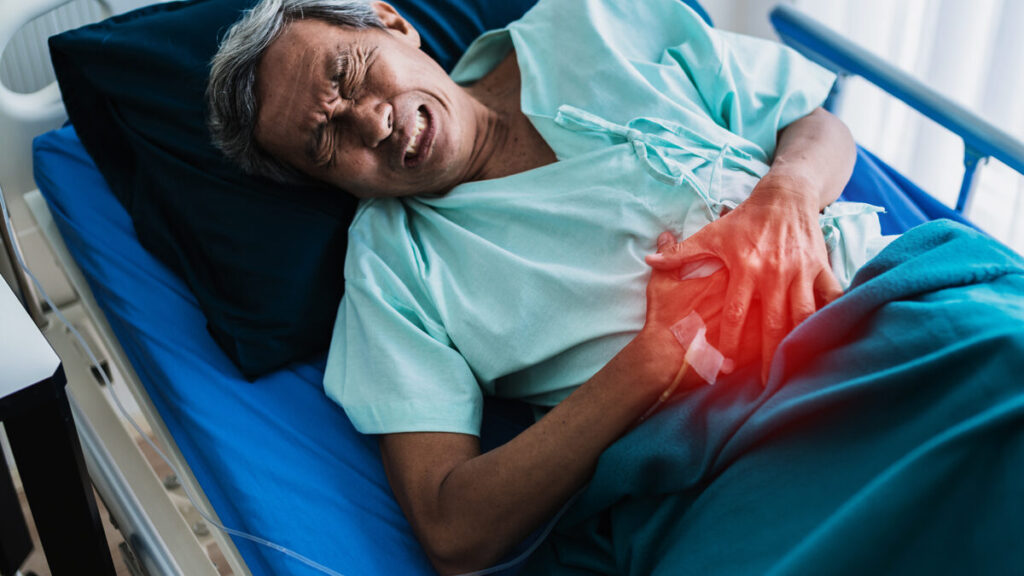
One of the most challenging aspects of liver disease is that symptoms often do not appear until the liver has already sustained significant damage – a stage known as cirrhosis. Common warning signs include:
- Persistent fatigue and physical weakness
- Loss of appetite and unexplained weight loss
- Yellowing of the skin and whites of the eyes (jaundice)
- Reduced libido
- Itchy skin or persistent nausea
- Dark, white, or bloody stools
- Abdominal swelling (ascites) – causing discomfort when eating or lying down
- Cognitive and mood changes (hepatic encephalopathy) – affecting memory, sleep, and behaviour.
If you or someone you know is experiencing a combination of these symptoms, early medical evaluation is critical.
What Causes Liver Disease?
Liver disease develops through several distinct pathways:
1. Infections – Hepatitis A, B, and C viruses are among the most common causes of liver inflammation and long-term damage.
2. Immune System Dysfunction – Autoimmune conditions cause the body’s own immune response to attack liver cells, leading to progressive damage.
3. Genetic Mutations – Inherited conditions like Haemochromatosis (iron overload) and Wilson’s Disease (copper accumulation) cause toxic substances to build up in liver tissue.
4. Cancer – Abnormal cell proliferation within the liver or bile ducts can result in malignant tumours.
5. Lifestyle Factors – Chronic alcohol use, high-fat diets, certain medications, and exposure to environmental toxins all place sustained stress on the liver.
Risk Factors for Liver Disease
Certain factors significantly increase a person’s likelihood of developing liver disease:
- Heavy or long-term alcohol consumption
- Obesity and Type 2 diabetes
- Sharing needles or receiving unscreened blood transfusions
- Unprotected sexual contact (risk of hepatitis B & C)
- Exposure to blood-borne pathogens
- Family history of liver disease
- Prolonged use of certain medications or herbal supplements
How is Liver Disease Diagnosed?
Accurate diagnosis requires a combination of clinical assessment and diagnostic testing:
- Blood tests (Liver Function Tests) – measure enzyme levels and clotting factors (INR) to assess liver function
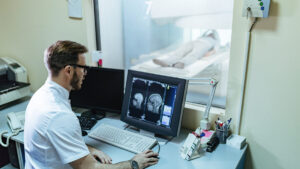
- Imaging (Ultrasound, MRI, CT Scan) – detects structural damage, scarring, fat deposits, or tumours
- FibroScan – a specialised ultrasound that quantifies the degree of liver fibrosis and fat accumulation
- Liver Biopsy – a tissue sample is examined under a microscope to confirm diagnosis and assess disease severity
Conventional Treatment Options for Liver Disease
Treatment depends on the type and stage of liver disease. Standard approaches include:
- Antiviral medications – for hepatitis B and C
- Steroids and immunosuppressants – to manage autoimmune liver conditions
- Blood pressure medications – to manage complications like portal hypertension
- Symptom management – including antihistamines for itching and supplements for nutritional deficiencies
- Lifestyle modifications – reducing alcohol, lowering fat and calorie intake, increasing dietary fibre
- Liver transplant – considered when liver failure is advanced and irreversible
While these treatments are essential, they primarily manage the disease rather than actively promoting liver repair and regeneration. This is the critical gap that HBOT is beginning to fill.
How HBOT Works as a Supplementary Treatment for Liver Disease?
HBOT involves breathing 100% pure oxygen inside a pressurised chamber at 2–3 atmospheres (ATA). This hyperbaric environment saturates the blood with oxygen far beyond normal levels, enabling it to reach damaged, hypoxic tissues – including liver cells – that standard respiration cannot adequately oxygenate.
For liver disease specifically, HBOT exerts several important therapeutic effects:
- Reduces oxidative stress and inflammation – protecting hepatocytes (liver cells) from further damage
- Promotes liver cell regeneration and proliferation – accelerating the repair of damaged tissue
- Supports fibrogenesis – helping manage and potentially reduce fibrosis (scarring) in the liver
- Prevents bacterial translocation – reducing liver damage associated with sepsis
- Alleviates hepatic hypoxia – directly addressing the oxygen deficiency that worsens most liver conditions
- Enhances liver regeneration post-surgery – supporting recovery after significant liver resection
What Clinical Research Says About HBOT and Liver Disease?
The scientific evidence supporting HBOT for liver conditions is growing steadily across multiple disease areas.
1. NAFLD (Non-Alcoholic Fatty Liver Disease) In a controlled study using mice on a high-fat diet, HBOT was found to safely and effectively reduce hepatic hypoxia and fat accumulation in liver cells. HBOT improved glucose and lipid abnormalities associated with NAFLD and reduced lipid droplets in hepatocytes – with the suppression of hepatic HIF-2 expression identified as a key mechanism in NAFLD management.
2. Sepsis-Related Liver Damage In a separate study involving 90 male rats divided into six groups, six 90-minute HBOT sessions conducted at 2 ATA demonstrated that HBOT could serve as a valuable adjunct treatment to improve outcomes in sepsis – reducing bacterial translocation and protecting liver tissue from sepsis-induced damage.
3. Post-Surgical Liver Regeneration In rats that had undergone 90% hepatectomy (surgical removal of 90% of the liver), HBOT at 2 ATA for 1 hour per day over 3 days produced a significantly higher liver regeneration rate at 36 and 50 hours post-surgery compared to the non-HBOT group. ATP levels in remaining liver tissue were also markedly higher at 12 hours – indicating improved cellular energy and repair capacity.
4. Noise-Induced Liver Damage In a study examining liver damage caused by sustained noise exposure, pre-treatment with HBOT at 2.5 ATA reduced the percentage of apoptotic (dying) hepatocytes and decreased superoxide production – reducing structural and functional liver abnormalities by blocking the ASM/Cer cellular damage pathway.
Across these studies, a consistent pattern emerges: HBOT reduces the conditions that worsen liver disease — hypoxia, inflammation, and oxidative stress – while actively supporting the biological processes required for repair.
Conclusion On HBOT for Liver Disease
The liver has a remarkable capacity for self-repair – but that capacity has its limits, especially when disease, inflammation, and oxygen deficiency work against it. Conventional treatments do an important job of managing liver conditions, but they rarely address the underlying cellular environment that determines whether the liver can truly heal.
HBOT changes that equation. By flooding the body with oxygen at a therapeutic level, it creates the biological conditions the liver needs to reduce inflammation, regenerate tissue, and recover function — at a depth that no medication or dietary change alone can reach.
For patients managing NAFLD, cirrhosis, viral hepatitis complications, or recovering from liver surgery, HBOT represents a scientifically supported, non-invasive, and genuinely complementary addition to their treatment plan.
At Vayuprana – Eastern India’s first dedicated HBOT centre in Kolkata – our specialised physicians will evaluate your individual condition and design a personalised HBOT programme aligned with your liver health goals. If you are looking for a treatment that goes beyond symptom management and works with your body’s own healing capacity, the conversation starts here.
FAQs – HBOT for Liver Disease
Q1. Can HBOT cure liver disease?
A. HBOT is not a cure for liver disease. It is a clinically supported supplementary therapy that addresses key drivers of liver disease progression – particularly hypoxia and inflammation – while supporting the liver’s natural regenerative capacity. It works most effectively alongside conventional medical treatment.
Q2. Which liver conditions can HBOT help with?
A. Current research shows promising results for HBOT in conditions including NAFLD, liver cirrhosis, ischaemia-reperfusion injury, sepsis-related liver damage, and post-surgical liver regeneration. Your physician at Vayuprana will assess whether HBOT is appropriate for your specific diagnosis.
Q3. How does HBOT reduce liver inflammation?
A. HBOT increases oxygen delivery to hypoxic liver tissue, which directly reduces the inflammatory response triggered by oxygen deficiency. It also lowers oxidative stress – one of the primary mechanisms driving ongoing liver cell damage – and has been shown to reduce apoptosis (programmed cell death) in hepatocytes.
Q4. Is HBOT safe for patients with liver disease?
A. When administered under medical supervision at appropriate pressure levels, HBOT is considered safe. At Vayuprana, every session is overseen by qualified physicians who monitor the patient throughout. A thorough consultation is always conducted prior to beginning therapy to ensure suitability.
Q5. How many HBOT sessions are needed for liver disease?
A. Clinical studies have used varying protocols depending on the condition – ranging from 6 sessions for sepsis-related outcomes to daily sessions over several days for post-surgical recovery. The appropriate number of sessions for your condition will be determined during your consultation at Vayuprana.
Q6. Can HBOT be used alongside medications for liver disease?
A. Yes – HBOT is a complementary therapy and is designed to work alongside, not replace, existing medical treatment. Always inform your physician about all medications and treatments you are currently receiving so that a safe and effective HBOT programme can be designed for you.
Q7. Where can I access HBOT for liver disease in Kolkata?
A. Vayuprana, located in Bhowanipore, Kolkata, is Eastern India’s first dedicated HBOT centre. Contact our team to schedule a consultation and find out whether HBOT is the right complementary therapy for your liver condition.