Opioid addiction does not just steal lives – it rewires the brain, disrupts decision-making, and makes recovery feel impossible from the inside out. While conventional treatments like detox, medication, and therapy remain the foundation of addiction care, a powerful complementary option is now gaining serious clinical attention: Hyperbaric Oxygen Therapy (HBOT).
For those exploring HBOT in Kolkata, this emerging research offers more than hope – it offers a science-backed, non-invasive pathway to support the brain’s recovery from the deep damage opioids leave behind.
What Are Opioids – And Why Are They So Dangerous?
Opioids are a class of drugs – including morphine, hydromorphone, and oxycodone — that bind to receptors in the brain and body to reduce pain and trigger pleasure responses. While doctors prescribe them for moderate to severe pain, their highly addictive nature makes misuse a serious global health crisis.
In the United States alone, opioid misuse has been declared a public health emergency since 2017. Over 10.1 million people misused prescription opioids, and opioids accounted for two out of every three drug-related deaths in 2018. While those numbers reflect a Western crisis, opioid dependency is a growing concern across India – making oxygen therapy in Kolkata and beyond an increasingly relevant conversation.
How Opioids Damage the Brain – Short Term and Long Term
Understanding why HBOT matters begins with understanding what opioids actually do to the brain.
In the short term, opioids flood the brain’s reward system, producing intense feelings of relief and euphoria. Over time, however, the brain adapts — reducing its own natural production of dopamine and endorphins. The result is a brain that can no longer experience pleasure, manage pain, or function normally without the drug.
Long-term opioid use causes measurable, documented damage:
- Prefrontal cortex deterioration – impairing judgement, impulse control, and rational thinking
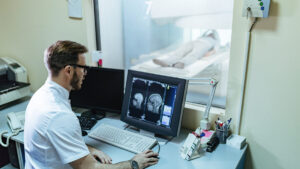
- Reduced brain volume – visible on imaging even years into recovery
- Cognitive dysfunction – affecting memory, attention, spatial reasoning, and information processing
- Emotional dysregulation – making stress management and decision-making extremely difficult
These aren’t temporary side effects. Studies show that even after years of sobriety, individuals with a history of opioid use continue to struggle with cognitive impairment – a key reason why relapse rates remain high despite best efforts in treatment.
How Does Opioid Overdose Cause Brain Damage?
When someone overdoses on opioids, their breathing slows dramatically – sometimes stopping altogether. This causes hypoxia: a state where the brain is starved of oxygen. Even brief periods of hypoxia can cause irreversible brain damage, coma, or death.
Repeated overdoses or prolonged oxygen deprivation compound this damage significantly – creating a neurological deficit that conventional addiction treatment alone cannot fully address. This is precisely where hyperbaric oxygen therapy enters the picture.
What Is Hyperbaric Oxygen Therapy (HBOT)?
Hyperbaric Oxygen Therapy involves breathing 100% pure oxygen inside a pressurised chamber at 2 to 3.5 times normal atmospheric pressure. Under this pressure, the lungs absorb far more oxygen than they would under normal breathing conditions – delivering oxygen-rich blood to damaged, oxygen-starved tissues, including brain cells.
At Vayu Prana, the best oxygen therapy centre in Kolkata, this process is delivered in a clinical, controlled environment under specialist supervision. Each session typically lasts 60 to 90 minutes — non-invasive, drug-free, and suitable for patients of all ages.
HBOT for Opioid Addiction – What Does the Research Say?
The clinical case for HBOT in opioid addiction treatment is grounded in real, peer-reviewed research – most notably from Washington State University (WSU).
Key findings from WSU research:
- Patients receiving HBOT reduced their opioid dosage by 4.3 mg over three months, compared to just 0.25 mg in the non-HBOT group
- HBOT reduced withdrawal symptoms by 50% compared to the control group
- A secondary study of eight patients found significant improvement in pain levels, sleep quality, and emotional regulation
- WSU Professor Matthew Layton noted that HBOT may meaningfully reduce relapse rates by addressing the neurological root causes of dependency
The mechanism traces back to 1995, when WSU mathematics professor Sergei Lapin translated a study showing that HBOT relieved opiate withdrawal in patients – a finding that has since been validated in both animal models and human trials.
In one controlled animal study, mice treated with HBOT before opioid withdrawal experienced dramatically fewer withdrawal symptoms – including significantly reduced tremors and physical distress markers — compared to untreated mice. Researchers describe this as the first established phenomenon of its kind in an animal model of opiate dependency.
How HBOT Supports Opioid Recovery at the Cellular Level?
What makes HBOT for opioid addiction so scientifically compelling is that it targets recovery at the cellular and neurological level – precisely where opioids cause the most lasting damage.
Here is how it works in practice:
Reoxygenates oxygen-depleted brain cells – directly counteracting the hypoxia caused by overdose and prolonged opioid use, supporting neurological repair.
Reduces neuroinflammation – opioid misuse triggers chronic brain inflammation that impairs cognition and mood. HBOT suppresses inflammatory responses, creating conditions where the brain can begin to heal.
Accelerates tissue repair – by stimulating new blood vessel growth and delivering enriched oxygen to damaged tissue, HBOT supports the physical repair of organs – including the liver, pancreas, and brain — stressed by long-term drug use.
Boosts stem cell production by up to 800% – a documented effect of HBOT that supports regeneration of damaged tissue across multiple organ systems.
Repairs nerve damage – opioid abuse damages nerve fibres and sheaths, leading to numbness, cognitive dysfunction, and impaired sensation. HBOT supports nerve healing and prevents further deterioration.
Improves sleep, mood, and decision-making – all three are critically impaired in addiction recovery. Improved oxygenation to the brain directly supports better emotional regulation, clearer thinking, and more restful sleep – all of which reduce relapse vulnerability.
HBOT as Part of a Multi-Modal Addiction Treatment Plan
It is important to be clear: HBOT is not a standalone cure for opioid addiction. It is a powerful complementary therapy designed to work alongside – not replace – established treatments like detox, methadone tapering, behavioural therapy, and self-help programmes.
What makes it uniquely valuable is its ability to address what other treatments cannot: the physical, neurological damage that opioids leave behind. By healing the brain from the inside out, HBOT creates a stronger biological foundation for psychological recovery to take root.
For patients in India seeking HBOT in Kolkata, it represents a non-pharmacological tool that can be integrated safely into an existing recovery plan – supporting tapering, reducing withdrawal severity, and improving the conditions that make sustained sobriety more achievable.
Frequently Asked Questions
Is HBOT safe for someone recovering from opioid addiction?
Yes. HBOT is non-invasive, drug-free, and does not interact with standard addiction medications like methadone. However, every patient should be assessed individually by a qualified specialist before beginning sessions. At Vayu Prana, all patients undergo a clinical consultation prior to treatment.
How many HBOT sessions are needed for opioid recovery support?
Research and clinical experience suggest a course of multiple sessions — typically 20 to 40 — for meaningful neurological benefit. The exact protocol depends on the severity of dependency, the extent of brain damage, and the patient’s overall health. Your Vayu Prana specialist will design a personalised plan.
Can HBOT reduce opioid withdrawal symptoms?
Clinical research from Washington State University found that HBOT reduced withdrawal symptoms by approximately 50% compared to control groups. Patients also reported improved sleep, reduced pain, and better emotional stability during the withdrawal period.
Does HBOT help with cravings?
Preliminary research suggests yes – by repairing the dopamine pathways damaged by long-term opioid use, HBOT may reduce the neurological drivers of craving. Professor Matthew Layton at WSU has specifically noted HBOT’s potential to reduce relapse rates.
Is HBOT available in Kolkata?
Yes. Vayu Prana — Eastern India’s first and most trusted HBOT centre – offers clinically supervised hyperbaric oxygen therapy in Kolkata for a wide range of conditions, including support for addiction recovery. Located at 4B Gopal Banerjee Street, Kolkata 700025.
How is HBOT different from regular oxygen therapy?
Standard oxygen therapy delivers oxygen at normal atmospheric pressure. Hyperbaric oxygen therapy delivers 100% pure oxygen at 2 to 3.5 times atmospheric pressure — enabling the bloodstream to carry vastly more oxygen to tissues and organs, producing effects that normal oxygen therapy simply cannot replicate.
Conclusion: A New Dimension in Addiction Recovery – Available in Kolkata
Opioid addiction is one of the most complex and destructive health crises of our time — not because people lack willpower, but because opioids physically alter the brain in ways that make recovery genuinely difficult without targeted neurological support.
Hyperbaric Oxygen Therapy does not offer a shortcut. What it offers is something arguably more valuable: a clinically grounded, non-invasive way to begin repairing the brain damage that makes addiction so hard to escape.
For patients, families, and clinicians in Kolkata seeking a forward-thinking, multi-modal approach to addiction recovery — HBOT in Kolkata at Vayu Prana is a conversation worth having.
To book a free consultation or speak with our specialist team, call +91 98305 82864 or visit www.vayuprana.in.